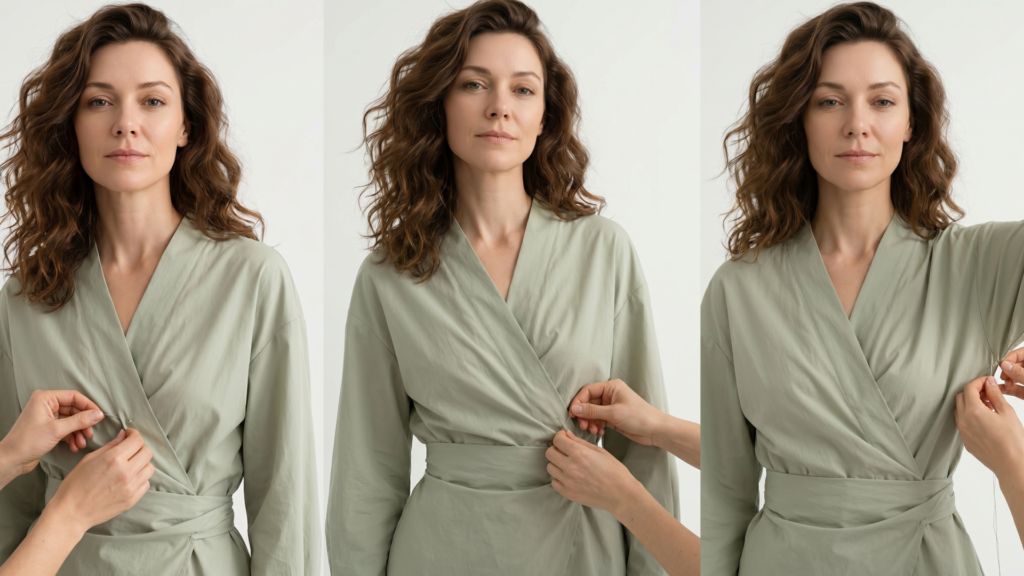
Over the past year, AI-generated fashion campaigns have moved from experimentation to mainstream adoption.
Brands are increasingly using AI-generated models and campaign visuals to:
- reduce photoshoot costs,
- move faster,
- test creative directions,
- and scale content production across channels.
Major players in fashion and e-commerce are already exploring AI-generated imagery as part of their marketing workflows.
And honestly, the visual quality is improving fast.
But while much of the industry conversation focuses on replacing photoshoots, there’s a bigger question that still remains unanswered:
What happens before the campaign?
The Real Problem Starts Earlier
Most fashion waste, budget loss, and product inefficiency do not begin during marketing.
They begin during product decision-making.
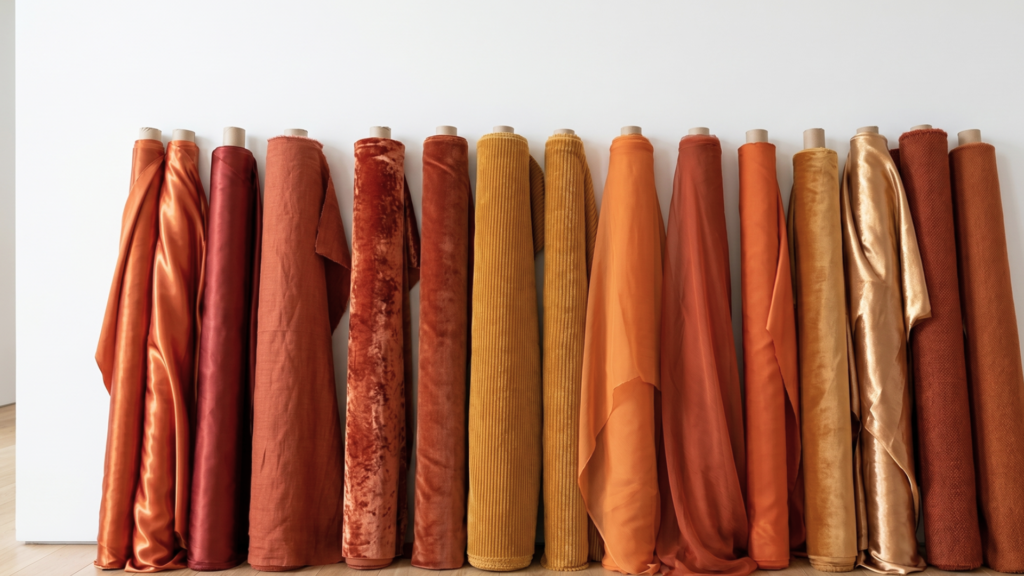
Long before a campaign goes live, brands are already making expensive decisions around:
- silhouettes,
- fabrics,
- trims,
- suppliers,
- pricing,
- sampling,
- and production quantities.
And many of those decisions are still based on limited visibility.
A design may look exciting creatively, but become too expensive to produce.
A product may move into development before teams fully understand demand potential.
A sample may go through multiple revisions before everyone aligns on the direction.
By the time issues become visible, time and budget have already been spent.
Fashion Doesn’t Only Need Faster Content
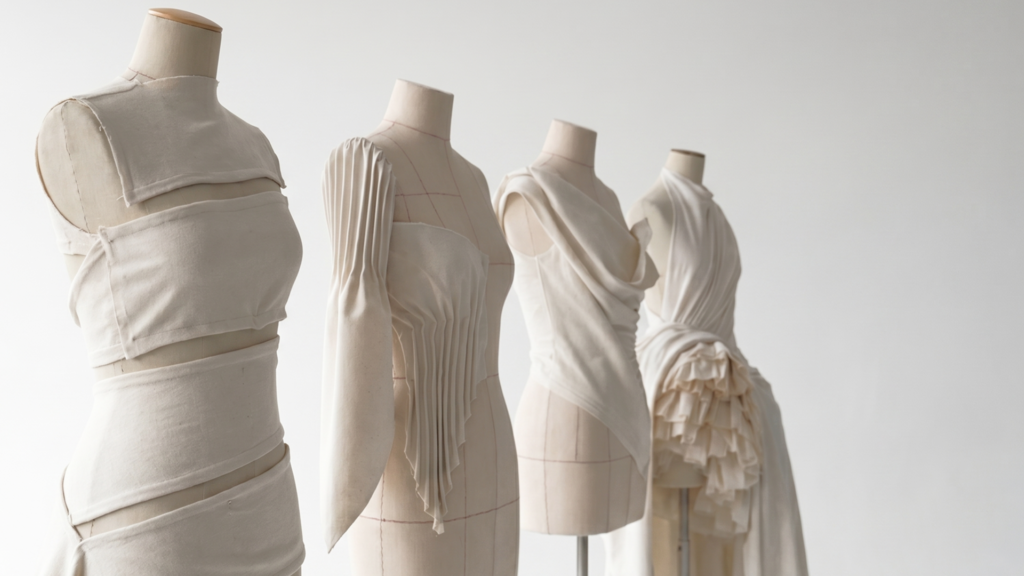
The industry does not only need faster image generation.
It needs better decision intelligence.
AI should not only help brands create more visuals.
It should help them ask smarter questions earlier:
- Is this product direction commercially relevant?
- Does this garment justify development costs?
- Could teams validate concepts before sampling?
- How might materials affect margins and sustainability?
- Which supplier direction makes the most sense?
The future of fashion AI is not only about replacing photoshoots.
It is about reducing uncertainty before production begins.
Why This Matters Now
Fashion brands today are under growing pressure:
- tighter margins,
- shorter development cycles,
- sustainability expectations,
- and increasing overproduction concerns.
At the same time, teams are expected to move faster than ever.
This creates a dangerous cycle:
more collections, more options, more development… but not necessarily better decisions.
That is where a new generation of fashion tools is beginning to emerge.
Not tools focused only on image generation.
But tools focused on validation, visibility, and smarter product development.
Where CODRESS Fits In

At CODRESS, we believe the biggest opportunity in fashion AI is not only creating beautiful visuals.
It is helping fashion teams make more informed product decisions before production.
By turning sketches into realistic digital visuals and connecting creativity with product intelligence, brands can begin validating ideas earlier, before unnecessary costs and waste accumulate.
Because the future of fashion is not only about producing faster.
It is about deciding better.